FCL vs LCL: Which Container Option is Right for You?
When shipping goods internationally, one of the first decisions you'll face is whether to book a Full Container Load (FCL) or Less than Container Load (LCL). Both have their advantages depending on your shipment size, budget, and timeline.
What is FCL?
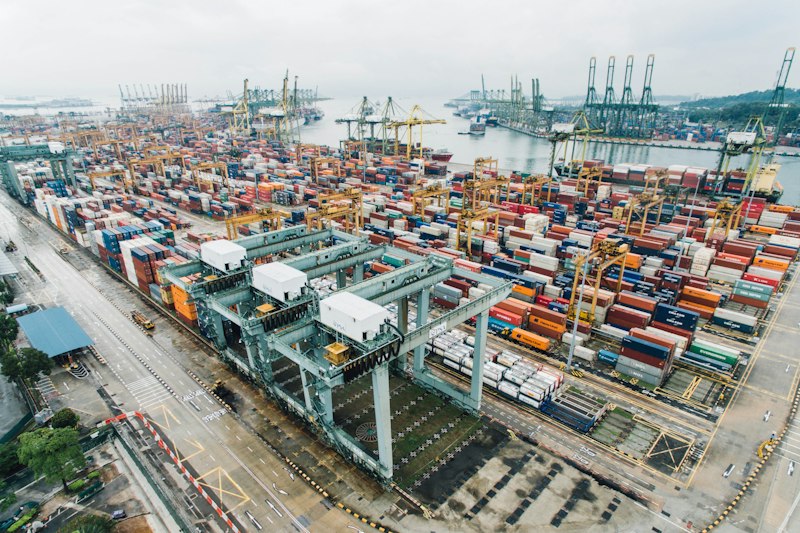
FCL means you book an entire container exclusively for your cargo — typically a 20ft or 40ft container. Even if your goods don't fill the container completely, you pay for the whole unit. This gives you complete control over your container.
What is LCL?
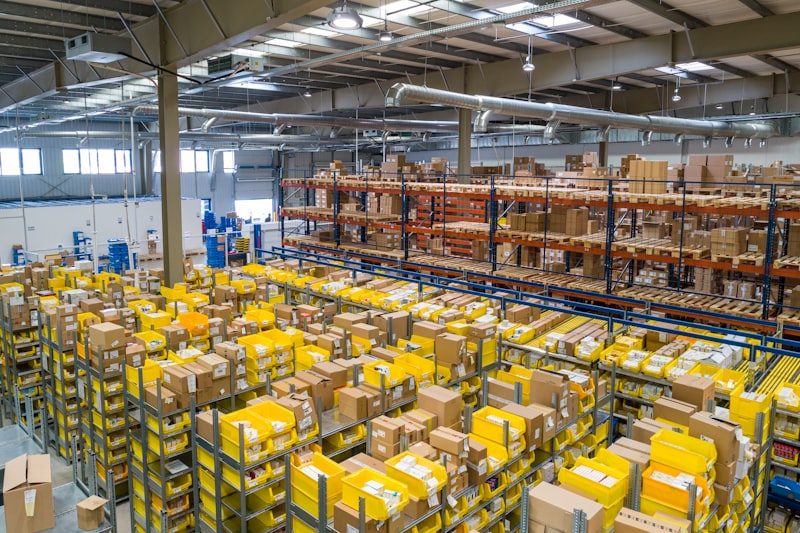
LCL means your cargo shares container space with goods from other shippers. You only pay for the space your cargo occupies (measured in CBM — cubic meters). It's ideal for smaller shipments that don't justify a full container.
When to Choose FCL
Choose FCL when: your cargo exceeds 15 CBM, you're shipping fragile or high-value goods, you need faster transit times, or you want to minimize handling of your goods. FCL is also more cost-effective per CBM for larger volumes.
When to Choose LCL
Choose LCL when: your cargo is under 15 CBM, you're testing a new market with smaller quantities, you have flexible delivery timelines, or you want to ship more frequently in smaller batches.
Cost Comparison
LCL charges are based on CBM (cubic meters) or weight, whichever is higher. FCL has a flat rate per container. The break-even point is typically around 12-15 CBM — above this, FCL usually becomes more economical.
Transit Time Differences
FCL is generally faster because your container moves directly from origin to destination. LCL requires consolidation at origin and deconsolidation at destination, adding 3-7 days to transit time.
Need Help with Freight Forwarding?
Our expert team is ready to handle all your logistics needs. Get a free quote today.