Complete Guide to Customs Clearance in India 2025
Customs clearance in India can seem complex, but with the right knowledge and a licensed customs broker, the process becomes straightforward. Here's a complete step-by-step guide to importing goods into India.
Step 1: Arrival of Goods
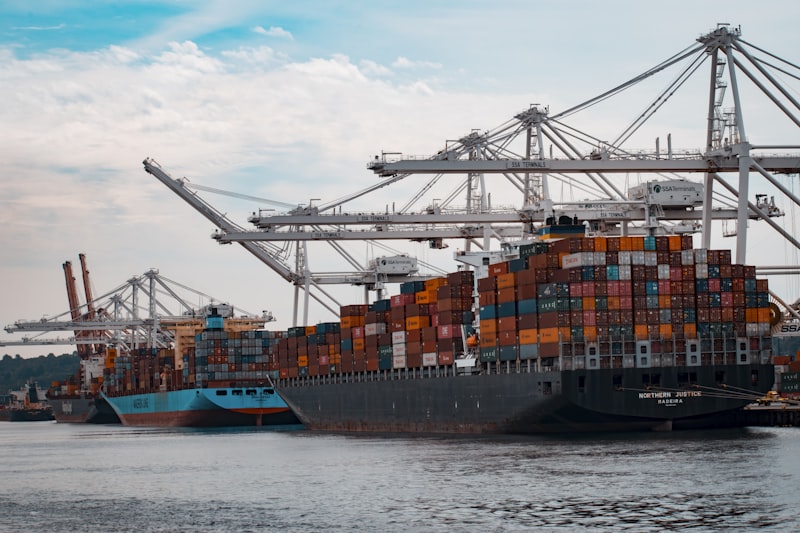
When your shipment arrives at an Indian port or airport, the carrier files an Import General Manifest (IGM) with customs. This officially notifies customs of the arrival of goods.
Step 2: Filing Bill of Entry
Your CHA (Customs House Agent) files a Bill of Entry on ICEGATE — India's customs electronic data interchange system. There are three types: Home Consumption (for direct use), Warehousing (for bonded storage), and Ex-Bond (for goods removed from warehouse).
Step 3: Document Verification
Customs officers verify the Bill of Entry against supporting documents — commercial invoice, packing list, bill of lading, certificate of origin, and any required licenses or permits.
Step 4: Duty Assessment
Customs calculates applicable duties — Basic Customs Duty (BCD), IGST, Social Welfare Surcharge, and any anti-dumping or safeguard duties. Your CHA will advise on applicable exemptions.
Step 5: Duty Payment
Duties must be paid electronically through the ICEGATE portal. Once payment is confirmed, the system generates a challan as proof of payment.
Step 6: Examination (if required)
Customs may select your shipment for physical examination — either 100% examination or random sampling. Your CHA coordinates with customs officers during this process.
Step 7: Out of Charge Order
Once all formalities are complete, customs issues an 'Out of Charge' order, allowing you to take delivery of your goods from the port or airport.
Need Help with Custom Clearance?
Our expert team is ready to handle all your logistics needs. Get a free quote today.

